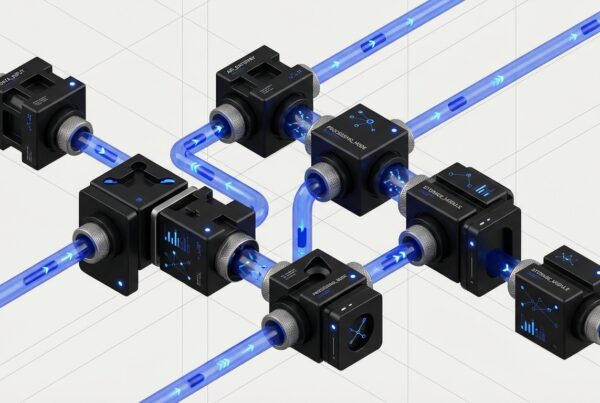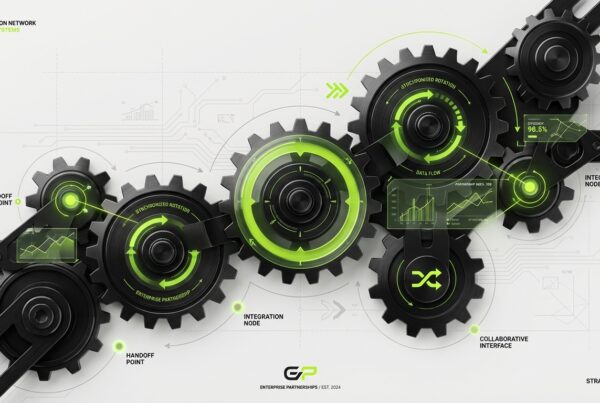


Klein Tools, a 160-year-old industrial brand, needed to modernize its digital presence. The company faced the challenge of translating its long-standing physical trust into the digital age.
The Challenge of Legacy in an Industrial Giant
Klein Tools has been building America’s infrastructure for over 160 years. Their name is synonymous with quality hand tools, relied upon by electricians and tradespeople. But even a brand with that kind of heritage faces a modern problem: how do you translate decades of physical trust into a digital age? For an industrial brand with over 40,000 SKUs, the challenge is not just about having a website. It is about organizing, presenting, and distributing an immense amount of product information in a way that serves a complex ecosystem of dealers, distributors, and end-users.
When DesignX began working with Klein Tools, their product catalog, a foundational sales tool, was a massive hurdle. It was difficult to update, inconsistent in its presentation, and lacked the digital flexibility their modern distribution network required. This wasn’t just a formatting problem; it was an information architecture problem. Imagine trying to find a specific screwdriver among thousands, each with multiple variations, without a clear, consistent navigation system. Their existing system created friction for dealers trying to sell products and for end-users trying to find the right tool for the job. This is a common hurdle for industrial brand design, where tradition often outweighs digital clarity.
Deconstructing the Information Overload
Our initial deep dive into Klein Tools’ operations revealed a brand with incredible equity but a fragmented digital presence. Their product data lived in silos. Marketing had one set of images, engineering another, sales another still. This led to discrepancies, outdated information, and a significant drain on internal resources. The primary pain point, the product catalog, was merely a symptom of a larger systemic issue: the lack of a unified, accessible digital asset system.
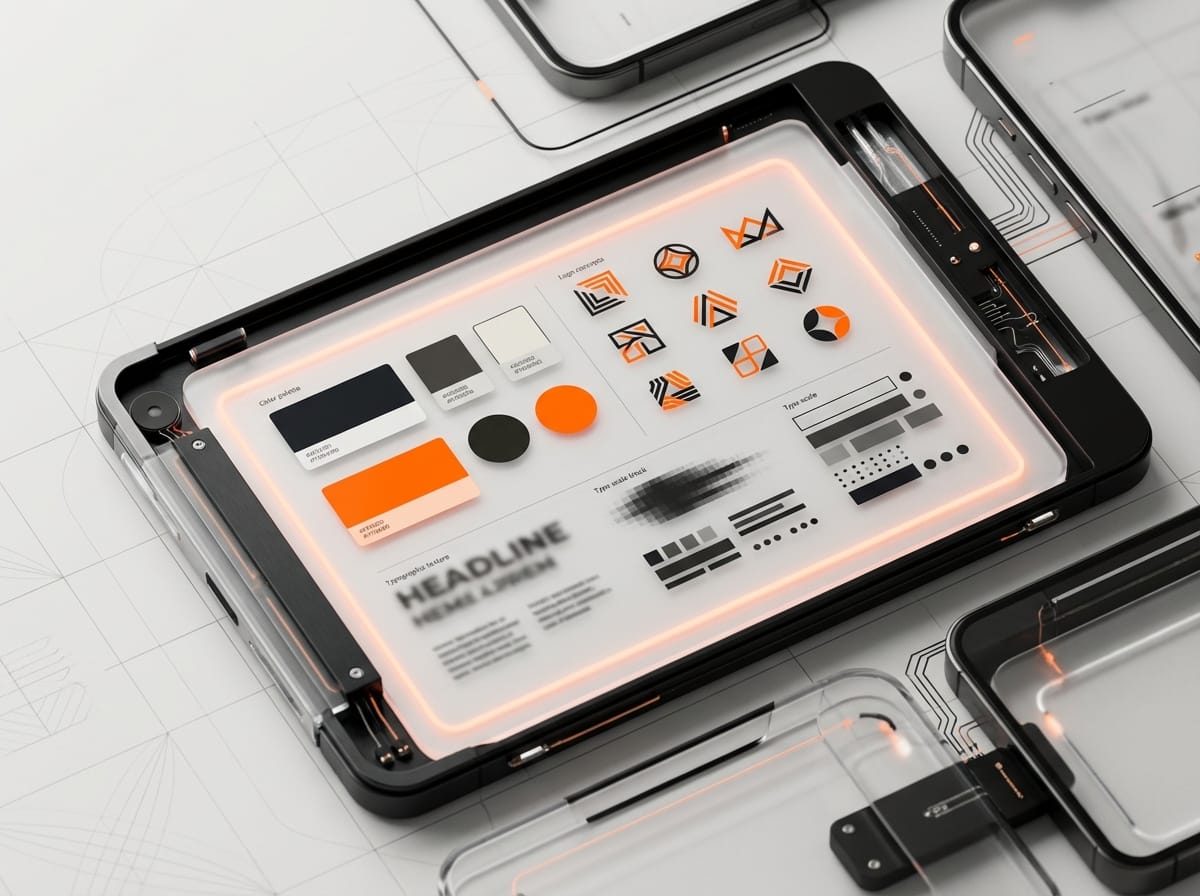
We saw that the core problem wasn’t just the catalog’s design, but the underlying infrastructure that produced it. Without a centralized, well-governed source for product data and assets, any redesign would be a temporary fix. Our approach needed to go deeper than aesthetics. It required a strategic rethinking of how Klein Tools managed its entire product information lifecycle. This meant addressing the needs of multiple stakeholders:
- **Dealers and Distributors:** They needed easily accessible, accurate, and compelling product information to sell effectively.
- **Internal Marketing and Sales Teams:** They required efficient tools to create and update materials without manual, error-prone processes.
- **End-Users:** Electricians and tradespeople needed clarity and confidence when selecting tools, often relying on dealer information.
This diagnosis drove our design decisions. We realized an industrial brand design case study like Klein Tools demanded a solution that combined visual excellence with an engineering-level approach to information management. It was about creating order out of complexity.
Architecting a Digital Asset Powerhouse
Our first major undertaking was to design and implement a comprehensive digital asset management (DAM) system. This wasn’t just about storing files; it was about creating a single source of truth for all Klein Tools’ product information. Think of it as building a new central nervous system for their brand assets.
Defining the Taxonomy and Metadata
With 40,000+ SKUs, the sheer volume of data was immense. Our team worked closely with Klein Tools’ product managers and engineers to map out a new, logical taxonomy. This involved:
- Categorizing products not just by type, but by application, industry, and key features.
- Standardizing naming conventions across all assets.
- Developing a robust metadata schema. Each asset, from a high-resolution product photo to a technical specification sheet, was tagged with precise, searchable attributes. This meant a dealer could search for “insulated screwdriver set for HVAC” and instantly find relevant, up-to-date materials.
This meticulous classification was a fundamental design decision. It transformed a chaotic collection of files into an intelligent, searchable library. This kind of foundational work often goes unseen, but it is the backbone of any successful industrial brand design strategy.
Building for Consistency and Scale
A key aspect of the DAM system’s design was ensuring visual and informational consistency. We established clear guidelines for photography, iconography, and copy. Every new product asset uploaded had to conform to these standards, enforced by workflows we helped implement. This eliminated the fragmented brand experience previously caused by disparate assets.
We designed the system with scalability in mind, using a modular approach. As Klein Tools introduces new products or expands into new markets, the DAM system can easily accommodate additional data and assets without requiring a complete overhaul. This future-proofing was essential for a brand with such a long history and continuous product development.
The Catalog Redesign: From Burden to Business Driver
With the digital asset system in place, the catalog redesign became a project of integration and strategic communication, not just a layout exercise. The catalog, once a static document, was reborn as a dynamic sales tool, directly fed by the single source of truth in the DAM.
Strategic Information Hierarchy
Our design team approached the catalog not as a list of products, but as a narrative of solutions. We focused on presenting information in a tiered hierarchy:
- **High-Level Overview:** Quickly introduce product families and their core benefits.
- **Key Features and Differentiators:** Highlight what makes Klein Tools superior.
- **Detailed Specifications:** Provide all necessary technical data for informed purchasing.
- **Application Context:** Show tools in use, helping dealers and users visualize solutions.
This structure guided the reader through the extensive product line, making complex choices simpler. We moved away from dense, text-heavy pages to a more visual, scannable format, incorporating clear photography and intuitive iconography. This was a direct design decision aimed at reducing cognitive load for the user, whether they were a busy distributor or an electrician on a job site.
Modular Design for Agility
Another critical design decision was to implement a modular template system for the catalog. Instead of designing each page from scratch, we created a library of pre-designed modules for product features, specifications, application shots, and callouts. These modules:
- **Accelerated Production:** Significantly reduced the time and cost of creating new catalog editions.
- **Ensured Consistency:** Maintained a uniform look and feel across all pages and future updates.
- **Enabled Customization:** Allowed dealers to easily pull specific product sections for their own tailored marketing materials.
This modular approach was a direct outcome of understanding the need for speed and adaptability in a fast-moving market. It transformed the catalog from a static publication into a flexible marketing asset.
The Impact: A 23% Dealer Adoption Lift
The true measure of any design project is its impact on the business. For Klein Tools, the redesign of their catalog, powered by the new digital asset system, led to a remarkable 23 percent lift in dealer adoption. This wasn’t just a number; it represented a fundamental shift in how Klein’s products were being marketed and sold across their extensive network.
How Design Decisions Drove Business Results
The dealer adoption lift was a direct result of several key design decisions:
- **Ease of Access:** Dealers could now quickly find, download, and utilize accurate, high-quality product assets from the DAM, integrating them into their own sales materials without friction.
- **Improved Clarity:** The redesigned catalog’s intuitive information hierarchy and visual presentation made it easier for dealers to understand complex product lines and explain benefits to their customers.
- **Brand Consistency:** With all assets conforming to new standards, dealers felt more confident representing Klein Tools, knowing they were presenting a polished, professional brand image.
- **Reduced Errors:** The single source of truth significantly minimized instances of outdated or incorrect product information, building trust with the dealer network.
- **Faster Updates:** The modular catalog system meant Klein Tools could provide dealers with updated product information much more quickly, keeping them competitive.
The success extended beyond the catalog. The improved digital asset system became a central hub for all marketing efforts, from website content to social media campaigns. Klein Tools transitioned from reacting to digital demands to proactively shaping their digital presence, positioning them as a modern powerhouse in the industrial sector. This industrial brand design case study shows that strategic design can be a catalyst for significant commercial growth.
Lessons for Any Industrial Brand
The Klein Tools story offers several insights for any industrial brand looking to modernize its image and operations:
- **Invest in Your Foundation:** Pretty interfaces are useless without solid information architecture underneath. Prioritize building robust digital asset management and product information systems.
- **Think Ecosystem, Not Just Product:** Your brand experience extends through your entire distribution network. Design solutions that empower your partners as much as they inform your end-users.
- **Design for Agility:** The market moves fast. Employ modular design principles in your catalogs, websites, and marketing materials to ensure you can adapt quickly without constant, expensive overhauls.
- **Clarity Trumps Quantity:** With a vast product line, the goal isn’t to show everything, but to guide users to what they need clearly and efficiently. Information hierarchy is your best friend.
- **Measure What Matters:** Connect your design investments to tangible business outcomes. A 23 percent adoption lift isn’t just good design; it’s smart business strategy.
The journey from a legacy industrial brand to a digital powerhouse is achievable. It requires strategic thinking, a deep understanding of user needs, and a commitment to foundational design that drives real-world results.
Ready to transform your industrial brand’s digital presence? Contact DesignX to talk through your project.
Frequently Asked Questions
How can established industrial brands like Klein Tools modernize their digital presence?
<