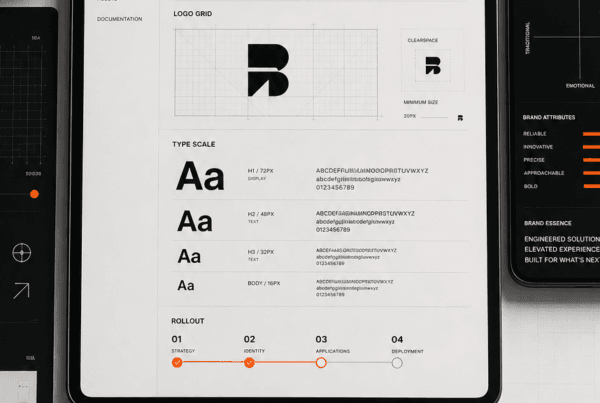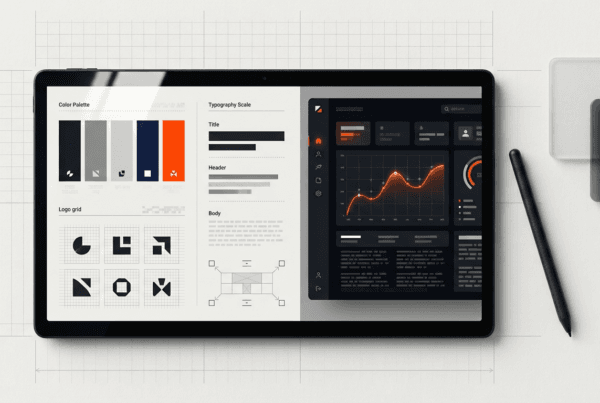
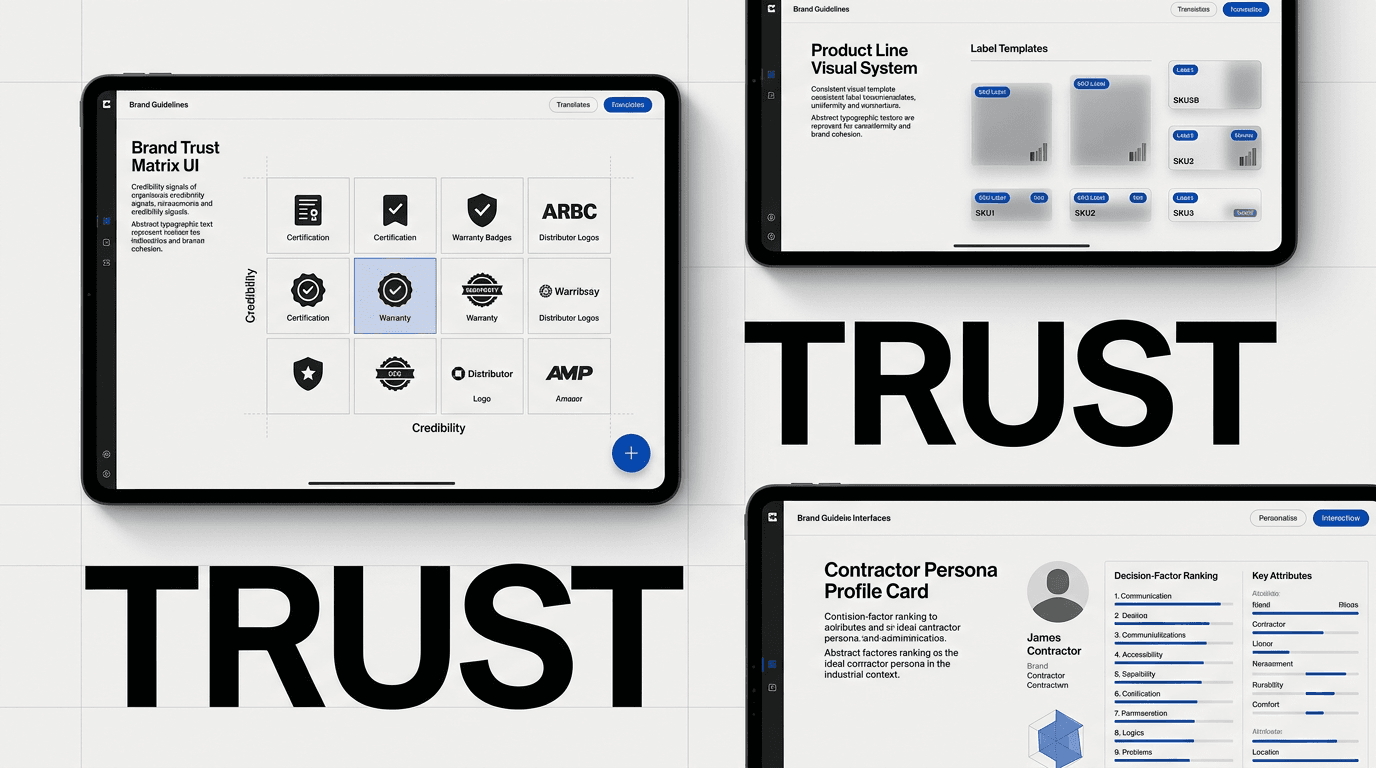
B2B hardware companies often underinvest in brand identity despite their engineering prowess. They prioritize R&D and product performance over visual branding.
The Industrial Identity Gap
Walk through any industrial trade show and you will see it. Booths displaying impressive machinery, intricate components, and technical specifications detailed down to the micron. Engineering prowess is on full display. Companies in the B2B hardware sector invest heavily in R&D, manufacturing precision, and performance metrics. Their products are designed to withstand extreme conditions, deliver precise results, and power the backbone of other industries. This focus on engineering excellence is fundamental to their success, and it is where most of their marketing budget goes.
However, this intense focus often creates a blind spot. The assumption persists that the product sells itself. Specifications, durability, and cost efficiency are seen as the only competitive differentiators. Brand identity, visual design, and communication strategy are frequently relegated to an afterthought, if they are considered at all. The result is a landscape filled with highly engineered products presented with generic visuals, inconsistent messaging, and sales tools that fail to convey the true value of the underlying technology. This underinvestment in industrial brand design comes with real costs.
The Hidden Costs of Poor Presentation
The notion that industrial buyers make purely rational, spec-driven decisions is outdated. Even in highly technical fields, perception influences purchasing. When a sales team presents a solution, the quality of their materials, the clarity of their message, and the professionalism of their brand identity all contribute to a buyer’s impression of the company and its products. When these elements are weak, opportunities are lost.
Losing Bids on Perception, Not Product
Consider two industrial suppliers. Both offer a product that meets or exceeds the technical requirements of a bid. Supplier A presents their solution with a clean, well-structured proposal, clear visuals, and a consistent brand story. Their sales team uses engaging presentations and leaves behind well-designed collateral. Supplier B, despite having an equally good or even superior product, submits a proposal that is text-heavy, visually unappealing, and inconsistent in its messaging. Their sales team uses generic templates and provides outdated data sheets.
Which supplier do you think inspires more confidence? Which one appears more professional, more reliable, and ultimately, less risky? In many B2B scenarios, buyers are risk-averse. A polished, cohesive presentation signals attention to detail, organization, and a commitment to quality that extends beyond the product itself. We have seen superior products lose bids purely because the competitor’s presentation instilled greater trust and perceived professionalism. The engineering was there, but the industrial brand design was not.
Distributor Disengagement
Distributors are critical sales channels for many B2B hardware companies. They represent your brand on the front lines, interacting directly with end-users. For a distributor, selling your product needs to be easy and profitable. If your brand assets are disorganized, your catalog is difficult to navigate, or your sales tools are uninspiring, distributors will naturally gravitate towards competitors who make their job simpler and more rewarding.
We saw this firsthand with Klein Tools. Their product line spans over 40,000 SKUs, making a clear, user-friendly catalog essential for dealer adoption. Before our engagement, the complexity made it challenging for dealers to find and recommend products effectively. After a significant redesign focusing on clarity, visual hierarchy, and intuitive navigation, Klein Tools saw a 23% lift in dealer adoption. This wasn’t about changing the tools themselves, but about making it easier for their sales channel to present and sell them. Good industrial brand design directly impacts your distribution network’s effectiveness.
When distributors have access to high-quality, on-brand marketing materials, they are more inclined to push your products. They feel proud to represent a brand that looks professional. This translates to increased sales and market penetration.
Sales Tools That Don’t Sell
Sales teams in industrial sectors often grapple with an array of assets: data sheets, product manuals, technical specifications, presentations, and website content. Too often, these materials are created in silos, resulting in a fragmented and inconsistent brand experience. Data sheets are dense and hard to read. Presentations are stock template affairs, devoid of visual impact. Websites are difficult to navigate and fail to convey the company’s unique value proposition.
Imagine an HP sales representative trying to pitch a complex enterprise solution with a generic PowerPoint template and a disorganized stack of PDFs. It would be unthinkable. For B2B hardware companies, the stakes are just as high. Salespeople need tools that empower them, not hinder them. They need visually compelling presentations that tell a story, data sheets that highlight key benefits, and a website that reinforces their message.
Investing in strong industrial brand design means equipping your sales team with effective weapons. It means transforming dry technical specifications into engaging narratives. It means creating a cohesive suite of materials that reflects the quality and innovation inherent in your products.
Redefining Value Beyond the Bill of Materials
The value of a B2B hardware product extends beyond its raw materials and manufacturing cost. It includes the engineering expertise, the reliability, the service, and the trust a customer places in the supplier. Industrial brand design is the visual and verbal language that communicates this full value. It’s not just about making things look pretty; it’s about making your company’s inherent value legible and desirable.
The Power of Perceived Quality
How does a company signal superior engineering, precision manufacturing, or future-proof technology? Through every touchpoint: the logo, the product design, the packaging, the website, the trade show booth, the sales materials. A well-designed brand identity suggests an attention to detail that mirrors the precision of the manufacturing process. It communicates that if a company cares this much about its presentation, it likely cares even more about the quality of its products.
This “perceived quality” allows companies to differentiate themselves in crowded markets, even when technical specifications are similar. It justifies a premium price point. Buyers are often willing to pay more for a brand that instills greater confidence, knowing that the investment extends beyond the immediate purchase to long-term reliability and support. Industrial brand design becomes a proxy for trust and competence.
Operationalizing Brand for Sales Success
A strong industrial brand design is more than a new logo. It is a system. It provides clear guidelines for how the brand should look, sound, and feel across all applications. This means developing full brand guidelines, creating a consistent visual language, and building a library of approved assets.
For sales and marketing teams, this operationalization of brand is a force multiplier. It ensures that every presentation, every brochure, every email, and every social media post reinforces a consistent message. This consistency builds recognition, strengthens recall, and ultimately makes the sales process more efficient. It removes the guesswork, allowing teams to focus on selling, not on struggling with inconsistent brand elements. This systematic approach is something we implemented for Bodybuilding.com, ensuring their vast content and product offerings maintained a cohesive and compelling presence.
The ROI of Industrial Brand Design
Investing in industrial brand design is not an expense; it is a strategic investment with measurable returns. The benefits ripple across the entire organization, impacting everything from market perception to sales efficiency.
Tangible Gains from Strategic Design
- Accelerated Sales Cycles: Clear, compelling presentations shorten the time it takes for buyers to understand and trust your solution.
- Higher Close Rates: Professional collateral and a strong brand image build confidence, increasing the likelihood of winning bids.
- Improved Distributor Engagement: Providing excellent sales tools and a desirable brand makes distributors more enthusiastic to sell your products, leading to higher adoption rates and proactive promotion.
- Increased Pricing Power: A perceived higher value allows for premium pricing, improving profit margins.
- Reduced Marketing Waste: Consistent brand guidelines and asset libraries reduce the need for custom design work for every new piece of collateral, saving time and money in the long run.
- Stronger Talent Attraction: A modern, professional brand makes your company more attractive to top engineering and sales talent.
Consider the long-term impact on brand equity. A company with a well-defined and consistently applied industrial brand design builds a reputation over time. This equity makes the company more resilient to market fluctuations, more attractive for partnerships, and more valuable in the event of an acquisition.
Beyond Aesthetics: A Strategic Investment
The best industrial brand design does not simply make a product look better. It clarifies complex technical information, communicates unique value propositions, and builds trust. It is a strategic tool that supports business objectives, drives sales, and builds lasting relationships with customers and distributors. It is about translating engineering excellence into market advantage. It is about ensuring that the quality and innovation you pour into your products are recognized and valued by the market.
Getting Started: Actionable Steps for Industrial Brands
Shifting from an underinvestment to a strategic approach in industrial brand design requires a clear plan. Here are actionable steps to begin transforming your brand identity:
- Conduct a Brand Audit: Evaluate all current brand touchpoints. Gather feedback from sales teams, distributors, and customers. Identify inconsistencies, areas of confusion, and missed opportunities.
- Define Your Core Identity: Beyond specs, what is your company’s true purpose, mission, and unique value proposition? What emotions do you want to evoke? This forms the bedrock of your industrial brand design.
- Prioritize Key Sales & Marketing Assets: You do not need to redesign everything at once. Focus on the materials with the highest impact on sales and distributor engagement: your main product catalog, sales presentation, and website.
- Invest in Foundational Elements: Work with experienced design partners to develop a compelling logo, a clear typographic system, a purposeful color palette, and a distinctive imagery style that reflects your brand’s essence and industry leadership.
- Develop a Design System: Create full brand guidelines that provide clear rules and templates for all future communications. This ensures consistency and empowers your internal teams to create on-brand materials efficiently.
Ready to clarify your message, engage your distributors, and empower your sales team? Contact DesignX to talk through your project.
Frequently Asked Questions
What should teams know about the industrial identity gap?
Walk through any industrial trade show and you will see it. Booths displaying impressive machinery, intricate components, and technical specifications detailed down to the micron. Engineering prowess is on full display. Companies in the B2B hardware sector invest heavily in R&D, manufacturing precision, and performance metrics.
What should teams know about the hidden costs of poor presentation?
The notion that industrial buyers make purely rational, spec-driven decisions is outdated. Even in highly technical fields, perception influences purchasing. When a sales team presents a solution, the quality of their materials, the clarity of their message, and the professionalism of their brand identity all contribute to a buyer’s impression of the company and its products. When these elements are weak, opportunities are lost.
What should teams know about redefining value beyond the bill of materials?
The value of a B2B hardware product extends beyond its raw materials and manufacturing cost. It includes the engineering expertise, the reliability, the service, and the trust a customer places in the supplier. Industrial brand design is the visual and verbal language that communicates this full value. It’s not just about making things look pretty; it’s about making your company’s inherent value legible and desirable.
What should teams know about the roi of industrial brand design?
Investing in industrial brand design is not an expense; it is a strategic investment with measurable returns. The benefits ripple across the entire organization, impacting everything from market perception to sales efficiency. Tangible Gains from Strategic Design Accelerated Sales Cycles: Clear, compelling presentations shorten the time it takes for buyers to understand and trust your solution. Higher Close Rates: Professional collateral and a strong brand image build confidence, increasing the likelihood of winning bids.
What should teams know about actionable steps for industrial brands?
Shifting from an underinvestment to a strategic approach in industrial brand design requires a clear plan. Here are actionable steps to begin transforming your brand identity: Conduct a Brand Audit: Evaluate all current brand touchpoints. Gather feedback from sales teams, distributors, and customers. Identify inconsistencies, areas of confusion, and missed opportunities.