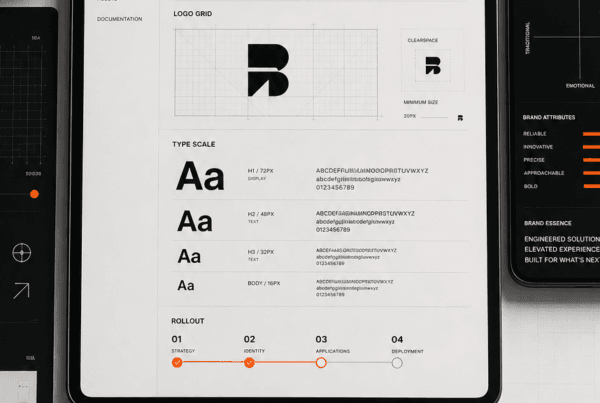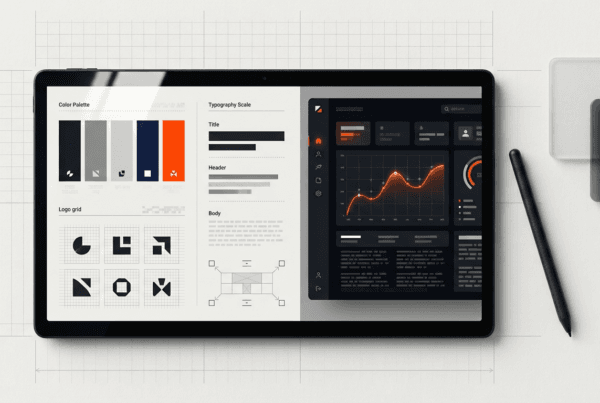

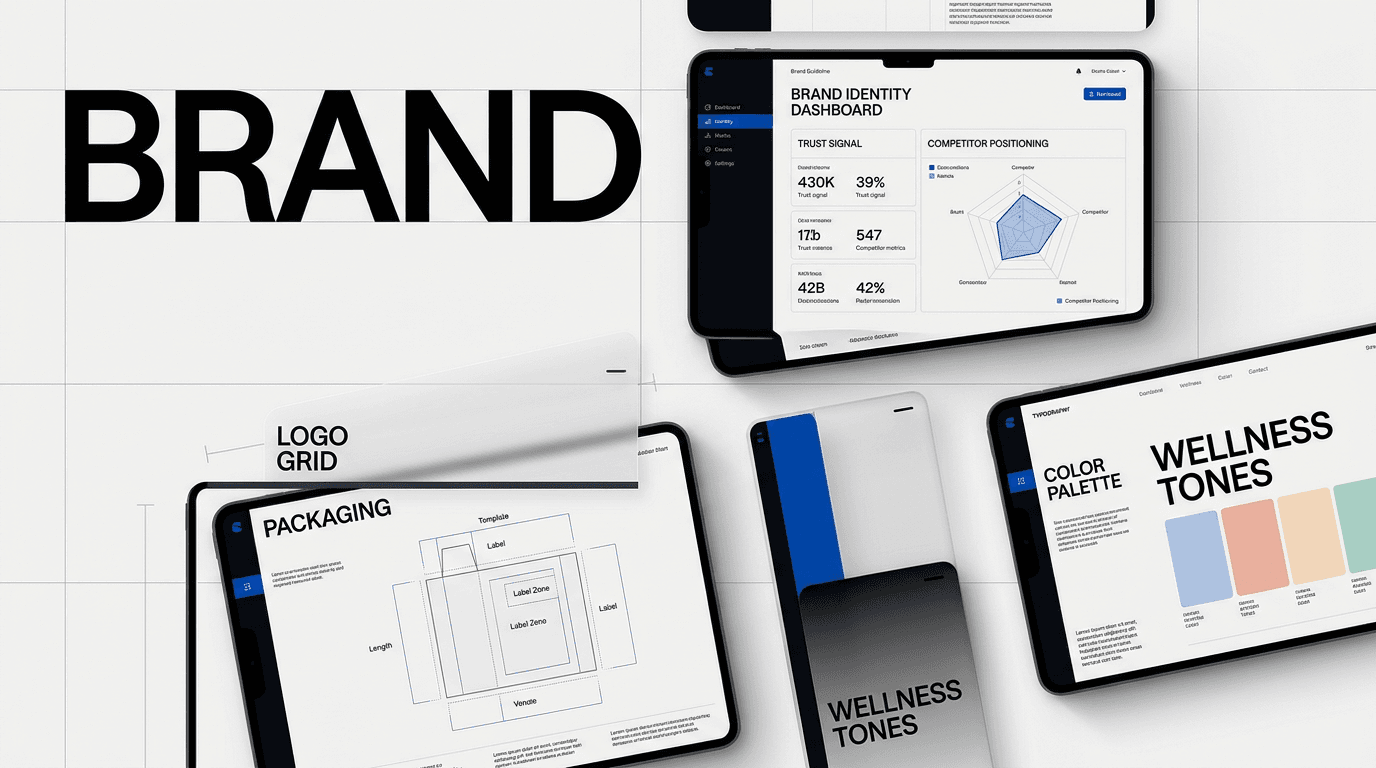
The personal care market is highly competitive, making visual trust crucial for brands. A strong brand identity helps consumers distinguish quality and build trust.
Why Visual Trust Matters More Than Ever in Personal Care
The personal care market today is a dense jungle. Thousands of brands, from indie startups to global conglomerates, compete for attention on crowded shelves and endless digital feeds. For consumers, distinguishing genuine quality from clever marketing becomes a daily challenge. This is where visual trust steps in. Your personal care brand identity, particularly through packaging design, is often the first, and sometimes only, signal a customer gets about your product’s integrity before they even read a word of the ingredient list.
Design is not just about looking good. It is a communication system. In personal care, it communicates safety, efficacy, and values. As consumers become more aware of ingredients, ethical sourcing, and environmental impact, their demand for transparency rises. They want to know what they are putting on their skin, and why. Design, then, must bridge the gap between complex product information and immediate, intuitive understanding. It builds the credibility that converts a browser into a buyer.
At DesignX, we approach brand identity as a strategic asset. We saw a 23% dealer adoption lift for Klein Tools after redesigning their catalog, proving that clear, trustworthy visual communication drives tangible business results, even for highly technical products. The same principle applies here. When you design for trust, you build loyalty.
Decoding Ingredient Transparency Through Design
Consumers want to understand what’s in their products. They do not want to become chemists to do so. The design challenge is to present complex ingredient information in a way that is both honest and digestible, avoiding overwhelming detail or deceptive simplicity.
Beyond the INCI List: Designing for Readability and Clarity
The INCI (International Nomenclature Cosmetic Ingredient) list is a regulatory necessity. It is also, by its nature, an intimidating block of chemical names for most people. Simply printing the INCI list on the back of a package does not equal transparency. True transparency is about making that information accessible.
Consider these design strategies:
- Hierarchical Presentation: Break down the information. What does the consumer need to know immediately (e.g., “key active ingredients”)? What can be secondary (e.g., “full ingredient list”)?
- Plain Language Explanations: Pair scientific names with consumer-friendly descriptions. Brands like Drunk Elephant do this well, often with a “what it is, what it does” section on their packaging or website. This builds confidence by demystifying ingredients.
- Visual Grouping and Spacing: Use typography, color, and generous white space to separate ingredient categories (e.g., active ingredients, botanicals, preservatives). This improves scannability and reduces cognitive load.
- Font Choice and Size: Opt for legible sans-serif fonts with sufficient contrast against the background. Small print is often a turn-off, signaling a brand that does not want you to read the details.
The goal is to communicate that you have nothing to hide. A cluttered, hard-to-read ingredient panel often suggests the opposite, even if unintentionally.
The Visual Language of “Clean” and “Natural”
The terms “clean” and “natural” lack universal definitions in personal care, creating confusion. Design can communicate these values without relying solely on these potentially ambiguous words. It is about creating an authentic visual experience.
To signal “clean” or “natural,” consider:
- Color Palettes: Earthy tones, muted pastels, whites, and greens often evoke natural origins. Avoid overly synthetic or neon colors unless intentionally contrasting.
- Material Choices: Use packaging materials that feel natural or sustainable. Glass, PCR (post-consumer recycled) plastics, bamboo, or uncoated paper stocks convey an eco-conscious approach. Texture matters.
- Typography: Organic, hand-drawn, or classic serif fonts can suggest tradition and natural craftsmanship. Paired with clean sans-serifs, they create balance.
- Imagery and Graphics: Subtle botanical illustrations, minimalist patterns, or imagery of natural landscapes can reinforce these values. Avoid generic stock photos that feel inauthentic.
Authenticity means the visual cues align with the actual product and brand ethos. Greenwashing, or using misleading design to appear eco-friendly, damages trust when consumers discover inconsistencies. Design must reflect reality.
Navigating the Certification Badge Ecosystem
Certifications offer external validation for a brand’s claims. For personal care products, a growing number of badges address everything from organic ingredients and cruelty-free practices to specific allergen avoidance and dermatological testing. However, not all badges carry equal weight, and their strategic placement is paramount.

Establishing a Hierarchy of Trust Signals
The consumer’s perception of a badge’s importance varies based on their personal values, product category, and geographic location. A vegan consumer will prioritize the Leaping Bunny or Vegan Society logo, while someone with sensitive skin might seek out “Dermatologist Tested” or “Fragrance-Free” certifications. You cannot display every possible badge without overwhelming the consumer.
Consider these points for effective badge placement:
- Audience Research: Understand which certifications resonate most with your target demographic. What are their primary concerns? EWG Verified might be highly valued by a health-conscious parent, while COSMOS Organic might appeal more to an ingredient purist.
- Primary vs. Secondary Placement: Display the most impactful, audience-relevant certifications prominently on the primary packaging. Other, less critical but still important, badges can reside on secondary packaging or the brand’s website.
- Size and Prominence: Give appropriate visual weight to the most important badges. A tiny, barely visible “cruelty-free” bunny implies less commitment than a clearly visible one.
- Geographic Relevance: Ensure badges are recognized and respected in your target markets. USDA Organic is strong in the US; Ecocert is prominent in Europe.
A well-curated selection of badges, clearly displayed, communicates focused integrity. A jumbled collection suggests a brand trying to appeal to everyone and, consequently, no one specifically.
The Power and Peril of Over-Badging
While certifications build trust, an excessive number of badges can have the opposite effect. Too many symbols can clutter the packaging, making it look busy and unprofessional. It can also dilute the impact of each individual badge, or worse, raise suspicions about a brand trying too hard to prove itself.
Best practices for integrating badges:
- Clarity Over Quantity: Choose the top two to four most meaningful certifications for your primary packaging. Explain others on your website.
- Consistent Styling: If possible, group badges logically and ensure they adhere to a consistent visual style (e.g., all black and white, or all color). This maintains visual harmony.
- Adequate Breathing Room: Give each badge sufficient white space. Do not cram them together. This ensures each signal can be seen and processed.
- Contextual Explanation: Consider a small icon on the packaging that links to a webpage explaining all certifications in detail. This provides depth for interested consumers without cluttering the package.
The goal is to provide reassurance without creating visual noise. A discerning eye for placement and selection transforms badges from mere graphics into powerful trust anchors.
Clinical Precision vs. Lifestyle Allure: Aesthetic Tradeoffs
The visual identity of personal care brands often falls into one of two broad aesthetic categories: clinical or lifestyle. Each approach signals a different set of values and promises to the consumer. Understanding these tradeoffs is key to defining your personal care brand identity.

The Clinical Aesthetic: Trust Through Science
The clinical aesthetic is designed to evoke scientific efficacy, dermatologist recommendations, and proven results. It is the language of laboratories, research, and precise formulation.
Key characteristics include:
- Minimalist Design: Clean lines, ample white space, and often monochromatic or muted color palettes.
- Typography: Predominantly sans-serif fonts, often in uppercase, conveying clarity, authority, and modernity. Think Helvetica, Montserrat, or Gotham.
- Visual Cues: Pharmaceutical-style packaging (e.g., dropper bottles, airless pumps), precise grid layouts, clear product naming (often including percentages of active ingredients), and absence of decorative elements.
- Brand Examples: The Ordinary, CeraVe, SkinCeuticals, Paula’s Choice. These brands prioritize information and function over adornment.
This aesthetic works best for brands focusing on problem-solution products, active ingredients, or doctor-backed formulations. It appeals to consumers who prioritize data and tangible results over sensory experience. DesignX has experience translating complex technical information into clear, trustworthy visuals, as seen in our work with HP, where precision and clarity are paramount.
The Lifestyle Aesthetic: Trust Through Aspiration
The lifestyle aesthetic aims to create an emotional connection, often through sensory appeal, brand storytelling, and aspirational imagery. It sells an experience, a feeling, or an identity.
Key characteristics include:
- Rich Color Palettes: Often incorporating warmer tones, pastels, or bold, evocative colors.
- Typography: A mix of custom typefaces, elegant serifs, or playful scripts, designed to convey personality and brand story.
- Visual Cues: Luxurious textures (e.g., frosted glass, soft-touch finishes), unique shapes, artistic illustrations, evocative photography, and descriptive product names.
- Brand Examples: Aesop, Glossier, Summer Fridays, Byredo. These brands craft an entire world around their products.
This aesthetic excels for
Frequently Asked Questions
Why Visual Trust Matters More Than Ever in Personal Care?
The personal care market today is a dense jungle. Thousands of brands, from indie startups to global conglomerates, compete for attention on crowded shelves and endless digital feeds. For consumers, distinguishing genuine quality from clever marketing becomes a daily challenge. This is where visual trust steps in.
How should teams approach decoding ingredient transparency through design?
Consumers want to understand what’s in their products. They do not want to become chemists to do so. The design challenge is to present complex ingredient information in a way that is both honest and digestible, avoiding overwhelming detail or deceptive simplicity. Beyond the INCI List: Designing for Readability and Clarity The INCI (International Nomenclature Cosmetic Ingredient) list is a regulatory necessity.
How should teams approach navigating the certification badge ecosystem?
Certifications offer external validation for a brand’s claims. For personal care products, a growing number of badges address everything from organic ingredients and cruelty-free practices to specific allergen avoidance and dermatological testing. However, not all badges carry equal weight, and their strategic placement is paramount. Establishing a Hierarchy of Trust Signals The consumer’s perception of a badge’s importance varies based on their personal values, product category, and geographic location.
What should teams know about aesthetic tradeoffs?
The visual identity of personal care brands often falls into one of two broad aesthetic categories: clinical or lifestyle. Each approach signals a different set of values and promises to the consumer. Understanding these tradeoffs is key to defining your personal care brand identity. The Clinical Aesthetic: Trust Through Science The clinical aesthetic is designed to evoke scientific efficacy, dermatologist recommendations, and proven results.