
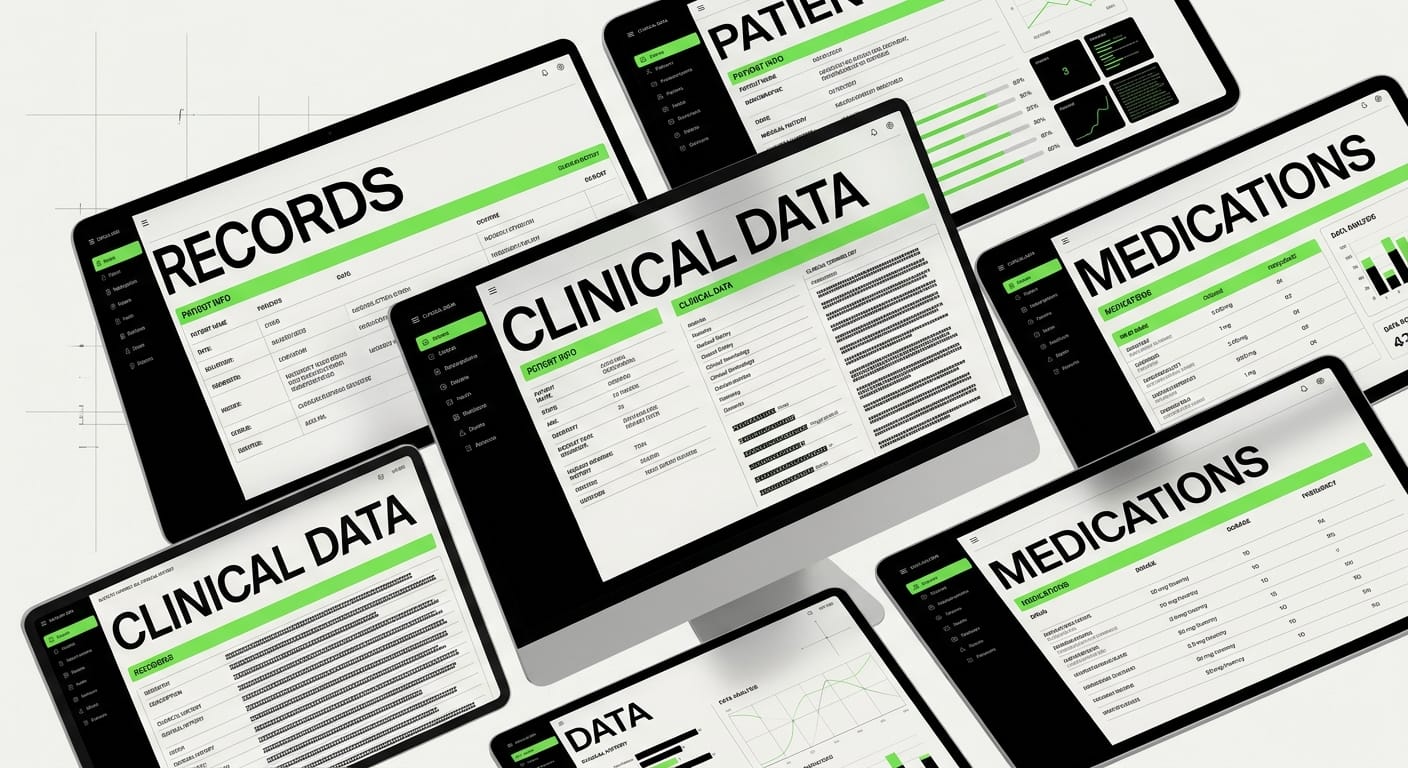
Electronic Health Records (EHRs) remain frustrating for clinicians because their design prioritizes compliance over user experience. These systems were primarily developed by regulatory teams, not UX specialists.
The Core Problem: Compliance Before User
Electronic Health Records, or EHRs, remain a source of deep frustration for clinicians across the globe. The reason is simple, yet often overlooked: most EHR systems were not designed by user experience specialists. They were designed by compliance teams, for compliance. The primary drivers behind their initial creation and subsequent evolution were regulations like HIPAA, the HITECH Act, and the Meaningful Use mandates.
This regulatory genesis shaped their DNA. The goal was to meticulously capture every data point required for billing, audit trails, and government reporting. The needs of the physician, nurse, or medical assistant actually using the system day-to-day often became a secondary concern. This fundamental misalignment continues to plague EHR UX design.
Imagine building a car where the engine, safety features, and emissions controls are paramount, but the dashboard layout, seat comfort, and steering feel are afterthoughts. That’s the reality of many EHR systems today. They succeed at data capture, but fail at supporting efficient, human-centered clinical practice.
Structural Failures in EHR UX Design
Data Overload, Not Information Clarity
Open an EHR, and you are often met with a screen dense with information. Labs, notes, medications, vital signs, orders, and more, all competing for attention. There is rarely a clear hierarchy, little contextualization, and too much cognitive load imposed on the user. Clinicians spend an inordinate amount of time sifting through irrelevant data to find the critical piece of information needed for a patient. Studies consistently show physicians spend two hours on EHR administrative tasks for every one hour of direct patient care. This isn’t just inefficient; it is mentally exhausting.
Workflow Mismatches and Interruption Fatigue
EHR workflows often dictate how clinicians work, rather than adapt to their established, best-practice processes. This means clicking through multiple screens for a simple task, repetitive data entry, and forced navigation paths. The systems are rigid, often failing to account for the dynamic, unpredictable nature of clinical environments. Furthermore, constant alerts, mandatory fields, and pop-ups fragment attention. This interruption fatigue is a documented contributor to burnout and medical errors.
A Lack of Visual and Interaction Design Cohesion
Many EHR interfaces feel dated, inconsistent, and poorly organized. You see disparate UI elements, varying button styles, and inconsistent navigation patterns across different modules. This is often a result of systems growing through acquisition, or being developed over decades by different teams without a unifying design system. The result is a “Frankenstein” interface. We see similar problems in other industries with complex data, like the challenge Klein Tools faced with its 40,000+ SKU catalog. Bringing order to that data, making it scannable and logical, required a complete redesign of the information architecture and visual presentation. EHRs demand this level of rigor, but seldom receive it.
These systems often lack:
- Consistent visual language across modules
- Clear interaction patterns for common tasks
- Intuitive navigation structures
- Modern aesthetic standards
Without these, users must constantly re-learn how to operate different parts of the same software, slowing them down and increasing frustration.
Interoperability: The Unsolved Puzzle
Healthcare thrives on shared information, but EHRs often act as data silos. Different systems struggle to communicate, or communicate poorly. This means patient records are fragmented across different hospitals, clinics, and specialists. While standards like FHIR (Fast Healthcare Interoperability Resources) aim to address this, full, smooth interoperability remains an aspiration. The inability to easily share information creates duplicated efforts, delays in care, and potential safety risks.
The Hidden Costs of Bad EHR UX
Physician Burnout and Turnover
The link between poorly designed EHRs and physician burnout is well-established. Frustration with clunky interfaces, excessive data entry, and time spent on administrative tasks rather than patient care drives many clinicians to exhaustion. Burnout reduces job satisfaction, impacts mental health, and contributes to high rates of physician turnover. The cost of replacing a physician, including recruitment, onboarding, and lost productivity, runs into hundreds of thousands of dollars.

Patient Safety and Medical Errors
Poor EHR design can directly impact patient safety. Cognitive overload increases the likelihood of misinterpreting data. “Alert fatigue” causes clinicians to override warnings that might be important. Cluttered screens can lead to missed information. Studies have documented how EHR design flaws have contributed to medication errors, incorrect diagnoses, and delayed treatments. When the tool meant to help care becomes a barrier, patients suffer.
Wasted Resources and Adoption Headaches
Healthcare organizations spend millions on EHR implementations, training, and ongoing maintenance. However, if the UX is poor, users develop workarounds, avoid certain features, or simply use the system inefficiently. This means the full value of the investment is not realized. Training costs remain high because the systems are not intuitive. Adoption of new features lags because clinicians do not trust the existing experience.
What Actual Fixes Look Like
Shifting From Compliance-First to User-Centered Design
The most important change is a philosophical one: prioritizing the user. This means moving beyond checkboxes and audits to deeply understand clinical workflows. It requires extensive user research:
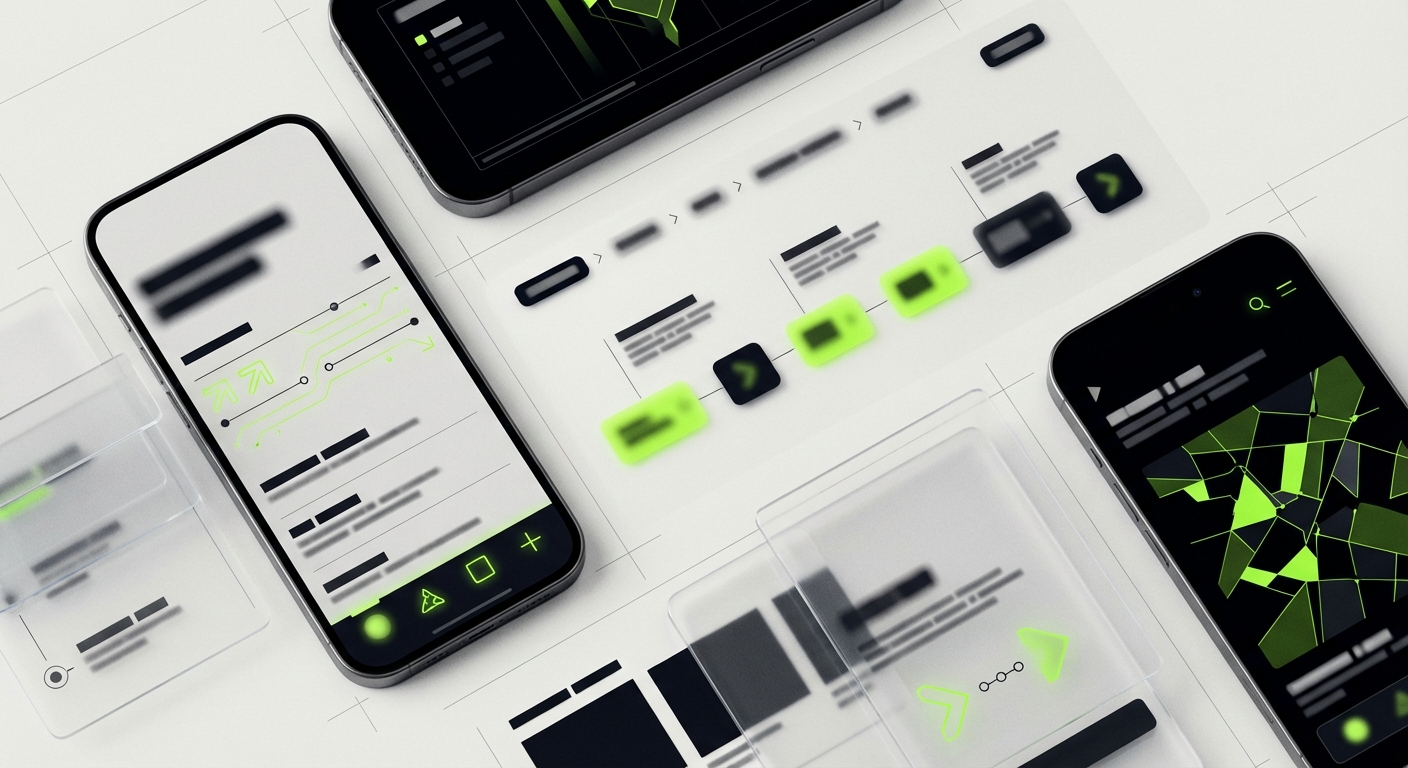
- Direct observation of clinicians in their environment
- Contextual interviews to uncover pain points
- Journey mapping to visualize current and ideal workflows
- Usability testing with real users, early and often
This data should drive design decisions, not just regulatory mandates. It means involving clinicians as co-designers, not just end-users to be trained.
Prioritizing Information Architecture and Visual Hierarchy
Effective EHR UX begins with a clear information architecture. What information is most important at what stage of care? How can it be presented clearly and concisely? This means:
- Reducing visual clutter
- Using progressive disclosure to reveal details only when needed
- Employing clear visual hierarchy to guide the eye
- Designing for scannability and quick comprehension
We’ve applied these principles to complex software dashboards for companies like HP, where users need to understand vast amounts of technical data at a glance. The same rigorous approach is essential for EHRs, where the stakes are even higher.
Building Design Systems for Consistency
To overcome the “Frankenstein” interface problem, EHR vendors need to invest in strong design systems. A design system provides a single source of truth for all UI components, interaction patterns, and visual styles. This ensures consistency across different modules, speeds up development, and reduces cognitive load for users. When we helped Oura Ring launch its identity, a core part of that work involved establishing a consistent visual and interaction language that extended across their product and brand. This commitment to consistency is a non-negotiable for any complex software system today.
A well-executed design system delivers:
- Consistent user experience across all modules
- Faster development cycles for new features
- Reduced errors in UI implementation
- Easier onboarding for new users
- A more cohesive and professional product appearance
Embracing Open Standards and APIs
True interoperability is not a luxury; it is a necessity. This means fully embracing and extending standards like FHIR, and making strong APIs available. Healthcare systems should be able to integrate specialized third-party applications that excel at specific tasks, rather than relying on a single vendor’s often sub-par “all-in-one” solution. This fosters an ecosystem of innovation, allowing for more tailored tools that truly meet the needs of diverse clinical roles.
The Investment in Better EHR UX Is Not Optional
The problems with EHR UX are not trivial. They contribute to physician burnout, patient safety risks, and immense operational inefficiencies. Addressing these issues with expert design is not just about making software “prettier.” It is a strategic imperative that directly impacts a healthcare organization’s financial health, its ability to retain top talent, and its capacity to deliver high-quality, safe patient care. The future of healthcare depends on EHRs that serve clinicians, not just regulators.
Ready to transform your healthcare software? Contact DesignX to talk through your project.