
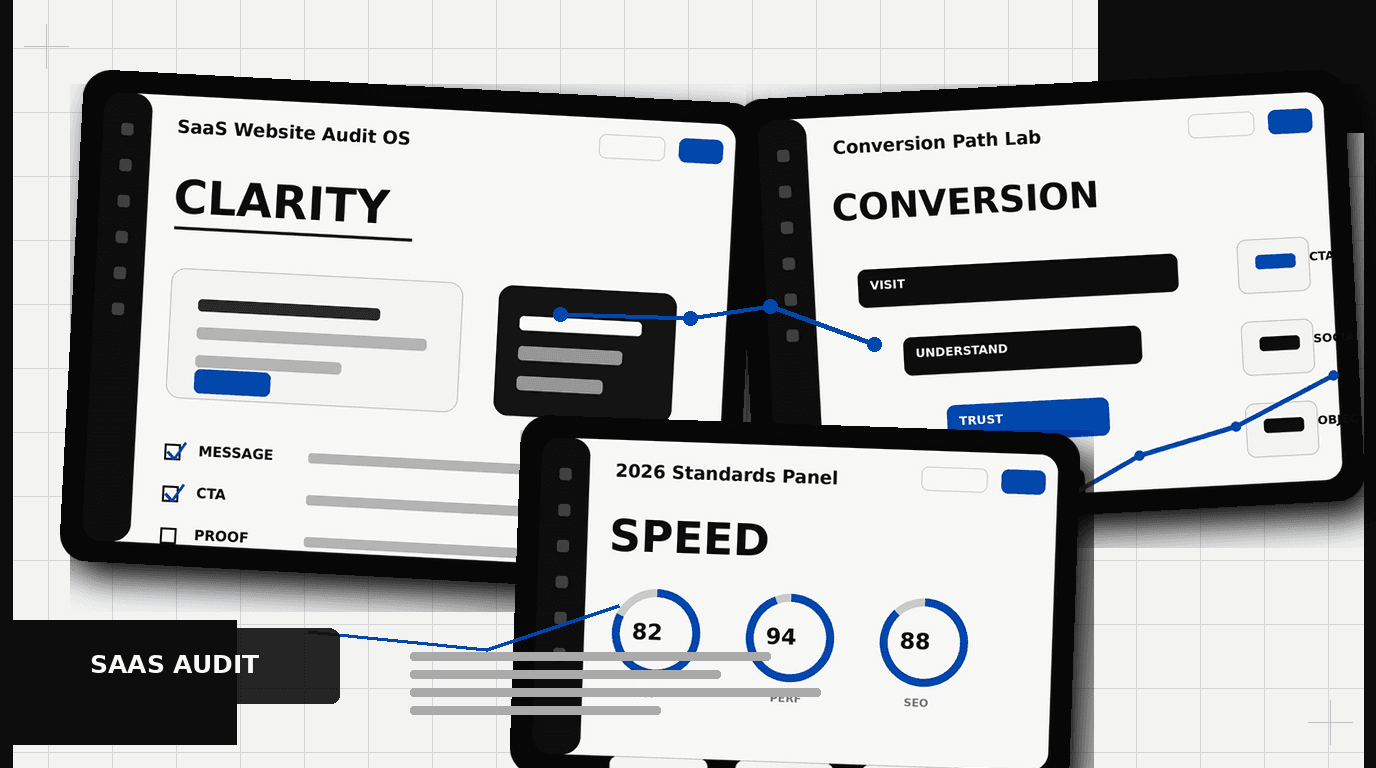
A SaaS website in 2026 has roughly three seconds to communicate what you do, who it is for, and why anyone should care before a visitor moves on. This breakdown covers the mechanics of above-fold clarity, social proof placement, CTA hierarchy, and performance standards that separate sites that convert from sites that look good in a portfolio.
Above-Fold Clarity: The 3-Second Rule
The first impression your SaaS website makes is usually the only one that matters. In 2026, the bar for this initial experience is higher than ever. Users arrive with a problem and expect to see its solution, or at least the promise of one, immediately. This isn’t just about aesthetics. It’s about answering three fundamental questions in under three seconds: What do you do? Who is it for? And why should I care?
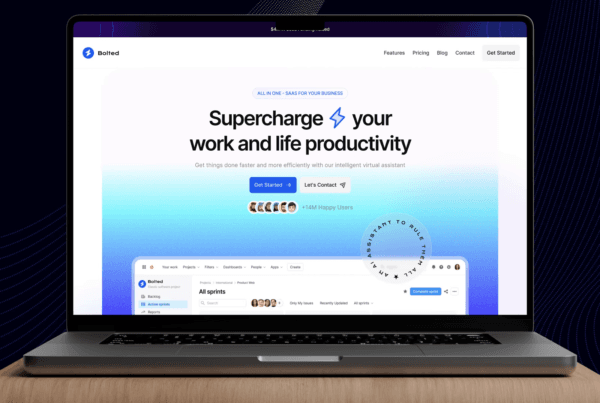
What makes a good SaaS website starts with an absolute focus on clarity in the viewport. Your headline must be benefit-driven, not feature-driven. It should speak to the user’s pain point or aspiration directly. A sub-headline should expand on that promise, offering a specific, tangible outcome. Think about how many SaaS products claim to “simplify operations.” That’s not enough. Instead, consider “Reduce project delays by 20% with automated task management.”
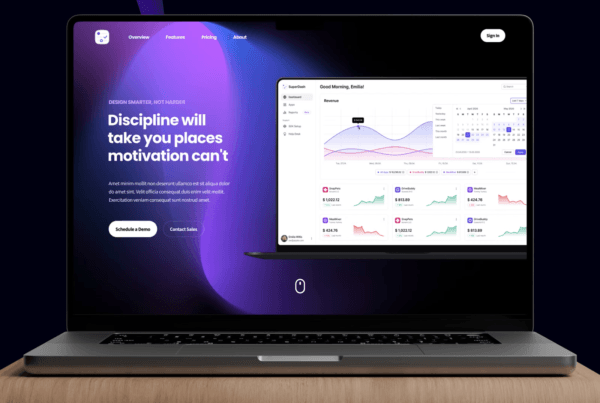
The visual element above the fold is just as critical. Forget generic stock photos of smiling people in an office. Show your product in action, even if it’s a UI shot with an overlay demonstrating its core value. For Oura Ring’s launch identity, we focused on conveying the aspirational health outcome, not just the technology. The visual should connect directly to the headline’s promise. And finally, the call to action. It must be specific, clear, and prominent. “Get Started” or “Try Free” are common, but “See How It Works” or “Calculate Your Savings” can be more engaging if it aligns with the immediate user intent.
The New Social Proof Hierarchy
Social proof has evolved past a rotating carousel of company logos. While logos still offer some basic validation, 2026 demands a deeper, more specific demonstration of trust. What makes a good SaaS website today layers social proof strategically, making it contextually relevant.
Beyond Logos: Quantifiable Results and Stories
- Specific, Quantifiable Testimonials: Instead of “Great product!”, aim for “Using X, we reduced customer support tickets by 35% in three months,” attributed to a real person with a title and company. We saw the power of this specificity when redesigning the Klein Tools catalog. Highlighting direct, measurable benefits for their dealers helped drive a 23% adoption lift.
- Mini Case Studies: A short, digestible paragraph detailing a problem, your solution, and a specific result. These are not full PDF downloads. They are concise stories placed near relevant feature sections or pricing.
- Third-Party Validation: Mentions in reputable industry publications, analyst reports, or awards. This lends an objective credibility that internal marketing cannot replicate.
- User-Generated Content (UGC): Ratings and reviews directly on your site, or links to public reviews on sites like G2, Capterra, or Trustpilot. Showing real users engaging with your product builds community and authenticity.
Placement matters. Don’t dump all your social proof at the bottom of the page. Integrate it near relevant calls to action or feature descriptions. If you’re talking about a specific analytics feature, place a testimonial from a data scientist discussing their positive experience with that exact feature. This contextual relevance significantly boosts conversion rates.
Interactive Demos: Beyond the Static Screenshot
The days of “Request a Demo” forms as the primary conversion path are fading. Modern SaaS buyers want to explore before they commit to a conversation. What makes a good SaaS website now often includes interactive product experiences that empower self-discovery.
Static screenshots are passive. Video demos are better, but still passive and time-consuming. Interactive demos, however, put the user in control. They let prospective customers click through key workflows, explore features, and understand the interface at their own pace. This isn’t just a marketing gimmick; it’s a powerful sales qualification tool.
Types of Interactive Demos
- Click-Through Demos: A guided tour where users click pre-defined hotspots to navigate through a simulated product environment. Tools like Storylane or Arcade make these accessible to marketing teams.
- Sandbox Environments: A fully functional, but isolated, version of your product where users can experiment with their own data or sample data. This is common for developer tools or complex enterprise software.
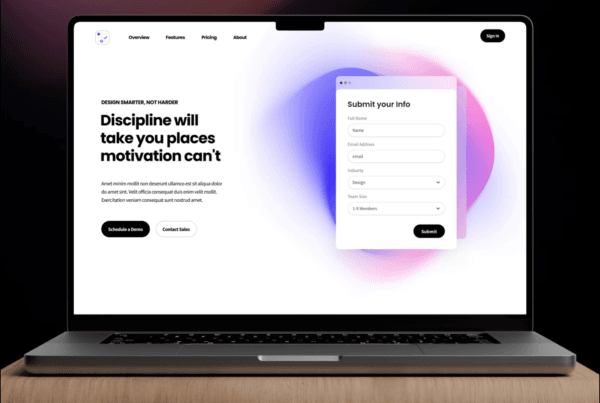
- Personalized Demos: Using initial user input (like industry or company size) to tailor the interactive experience, showing only the most relevant features.
The benefit is clear: higher engagement, better-qualified leads, and often, a shortened sales cycle. Users who interact with a demo arrive at a sales call with a foundational understanding and more specific questions. They’ve already invested time, signaling higher intent. This strategy removes friction, allowing users to quickly assess if your solution truly addresses their needs without the pressure of a sales pitch.
Mobile Conversion Parity: Not Just Responsive Design
Mobile-first is no longer a suggestion; it’s the standard. But “responsive design” has evolved beyond simply making your desktop site shrink to fit a smaller screen. What makes a good SaaS website in 2026 achieves mobile conversion parity, meaning the conversion rates on mobile devices are comparable to desktop.
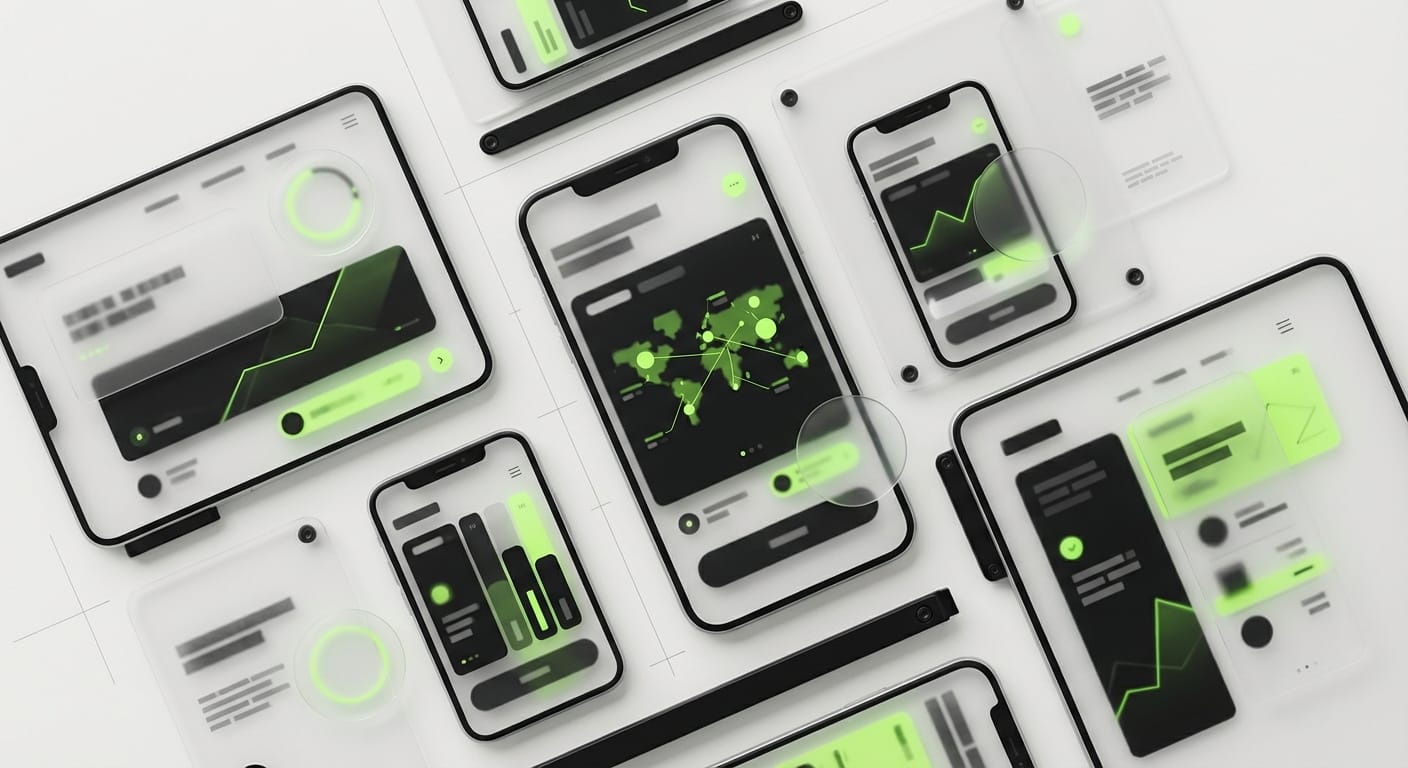
This requires a fundamental rethinking of the mobile user experience. It’s not just about rearranging elements; it’s about optimizing interaction patterns for touch, simplifying navigation, and streamlining conversion flows. Consider the context: mobile users are often on the go, distracted, and have less patience for complex forms or slow loading times.
Key Mobile Optimizations
- Touch-Optimized UX: Larger tap targets, clear visual hierarchy for finger navigation, and swipe gestures where appropriate.
- Streamlined Forms: Reduce the number of fields. Use auto-fill, single-column layouts, and clear error messaging. Every extra field on mobile drastically reduces completion rates.
- Prominent, Accessible CTAs: Fixed “sticky” CTAs at the bottom of the screen can be highly effective, always keeping the next step within thumb’s reach.
- Content Prioritization: What information is absolutely essential on mobile? Often, detailed feature breakdowns can be hidden behind expandable sections, while the core value proposition and CTA remain visible.
Think about the user journey on a mobile device. Is it easy to sign up for a trial? Can they quickly find pricing or key features? Is the support chat accessible? Google’s mobile-first indexing strategy means that your mobile site is often the primary version evaluated for ranking. Ignoring mobile conversion parity is ignoring a significant portion of your potential customer base.
Page Speed as a Conversion Signal, Not Just a Metric
Speed isn’t just a technical spec anymore. It’s a psychological cue that signals professionalism, reliability, and trustworthiness. A slow website feels broken, even if it’s perfectly functional. What makes a good SaaS website loads fast, not just for SEO, but because speed directly impacts user perception and, consequently, conversion.
Users expect instant gratification. Research from Google shows that as page load time goes from 1 second to 3 seconds, the probability of bounce increases by 32%. A site that takes 5 seconds to load sees a 90% higher bounce rate. These aren’t abstract numbers; they are direct losses in potential leads and sales.
Focus on Core Web Vitals
- Largest Contentful Paint (LCP): Measures loading performance. Aim for under 2.5 seconds.
- Interaction to Next Paint (INP): Measures responsiveness. Aim for under 200 milliseconds.
- Cumulative Layout Shift (CLS): Measures visual stability. Aim for under 0.1.
These metrics are not just for Google’s algorithm; they represent actual user experience. Optimizing for speed involves more than just image compression. It means efficient code, minimal third-party scripts, effective caching, and often, choosing a hosting provider that can deliver content quickly across geographies via a Content Delivery Network (CDN). When we work with clients like HP or Bodybuilding.com, performance is baked into the design process, ensuring that the user experience is fluid from the first click.
A fast site doesn’t just keep users on the page; it builds confidence. It suggests that your product is well-engineered, reliable, and that you care about the user experience. This subtle signal can be the difference between a conversion and a bounce.
Putting It All Together: A Unified Experience
No single element makes a good SaaS website. It’s the synergy of these components working in concert. From the immediate clarity above the fold, through compelling social proof, an engaging interactive demo, a smooth mobile experience, and lightning-fast performance, every part contributes to a cohesive user journey.
Your website is your most powerful sales tool, available 24/7. Treat it as such. Invest in design and development that prioritizes the user’s needs and aligns directly with your business objectives. This isn’t just about looking good; it’s about building a digital experience that converts.
Ready to build a SaaS website that converts at its full potential? Contact DesignX to talk through your project.
Frequently Asked Questions
What should teams know about the 3-second rule?
The first impression your SaaS website makes is usually the only one that matters. In 2026, the bar for this initial experience is higher than ever. Users arrive with a problem and expect to see its solution, or at least the promise of one, immediately. This isn’t just about aesthetics.
What should teams know about the new social proof hierarchy?
Social proof has evolved past a rotating carousel of company logos. While logos still offer some basic validation, 2026 demands a deeper, more specific demonstration of trust. What makes a good SaaS website today layers social proof strategically, making it contextually relevant. Beyond Logos: Quantifiable Results and Stories Specific, Quantifiable Testimonials: Instead of “Great product!”, aim for “Using X, we reduced customer support tickets by 35% in three months,” attributed to a real person with a title and company.
What should teams know about beyond the static screenshot?
The days of “Request a Demo” forms as the primary conversion path are fading. Modern SaaS buyers want to explore before they commit to a conversation. What makes a good SaaS website now often includes interactive product experiences that empower self-discovery. Static screenshots are passive.
What should teams know about not just responsive design?
Mobile-first is no longer a suggestion; it’s the standard. But “responsive design” has evolved beyond simply making your desktop site shrink to fit a smaller screen. What makes a good SaaS website in 2026 achieves mobile conversion parity, meaning the conversion rates on mobile devices are comparable to desktop. This requires a fundamental rethinking of the mobile user experience.
What should teams know about page speed as a conversion signal, not just a metric?
Speed isn’t just a technical spec anymore. It’s a psychological cue that signals professionalism, reliability, and trustworthiness. A slow website feels broken, even if it’s perfectly functional. What makes a good SaaS website loads fast, not just for SEO, but because speed directly impacts user perception and, consequently, conversion.