
B2B SaaS brand identity has collapsed into a single template: blue gradients, abstract blobs, and generic sans-serif type, a look Stripe and Notion pioneered that thousands of companies copied without the underlying substance. This post explains how to diagnose generic brand syndrome and build a visual identity that is actually distinct in a crowded market.
The B2B SaaS Brand Convergence Problem
For years, many B2B SaaS companies focused on features, pricing, and sales funnels. Brand often came as an afterthought, if it came at all. The thinking went: “Our product sells itself.” Or, “B2B buyers care about functionality, not aesthetics.” That mindset created a market where many products now look and sound alike, blurring together into a sea of sameness.
The Stripe and Notion Effect
The visual convergence problem in B2B SaaS became especially clear around 2015-2018. Companies like Stripe and Notion, among others, pioneered a fresh, clean aesthetic. They used muted color palettes, simple sans-serif typography, geometric shapes, and abstract illustrations. Their interfaces were intuitive, their marketing collateral crisp. It was a refreshing departure from the corporate blues and stock photos common before.
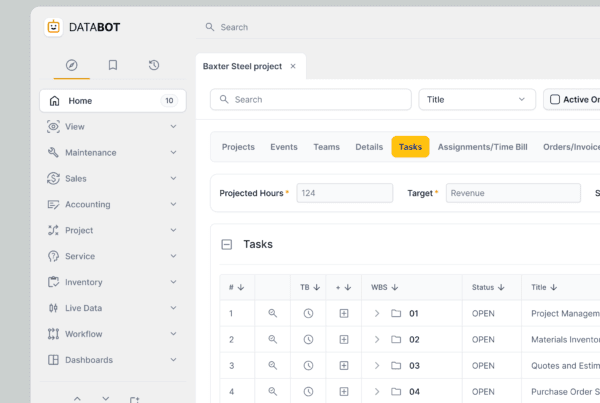
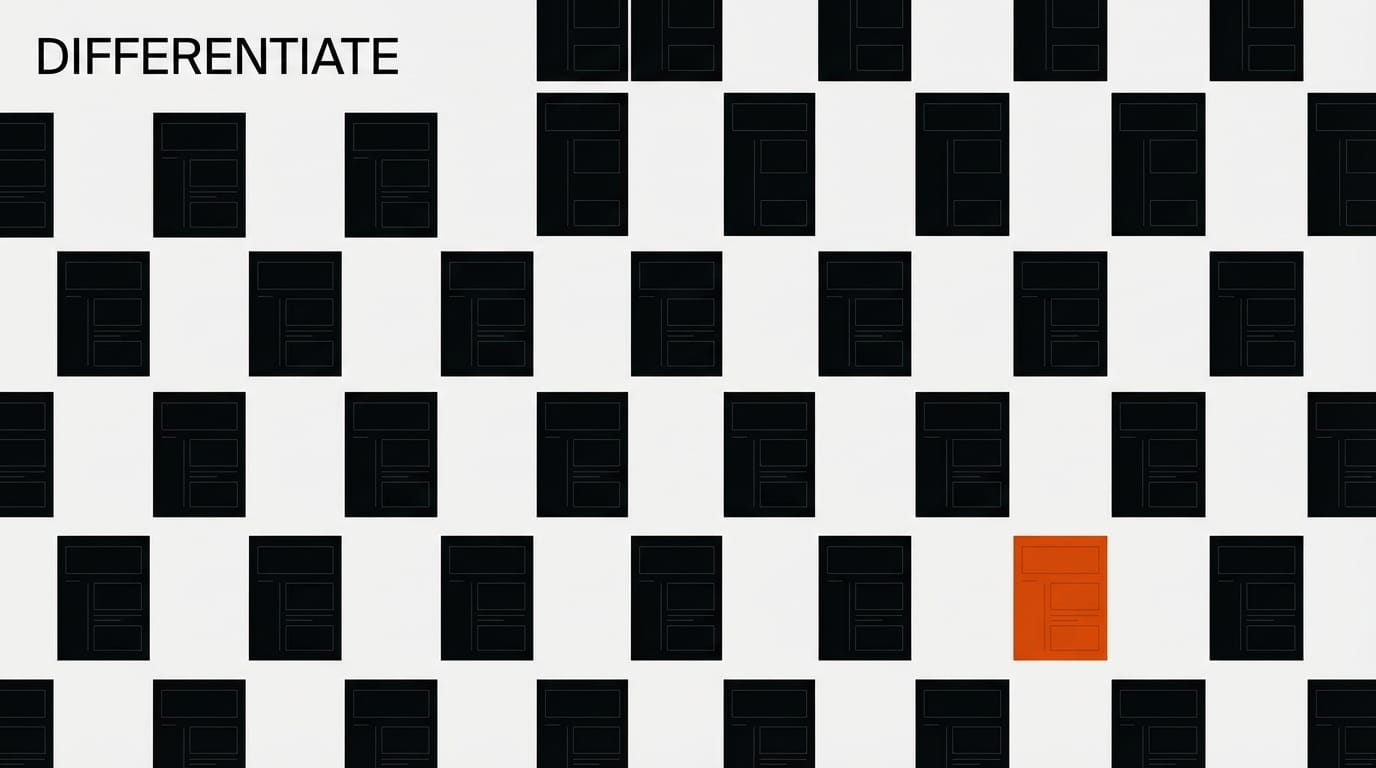
The problem? Everyone started copying them. Not just in spirit, but often literally. Companies saw their success and assumed the visual style was the primary driver. Soon, countless startups adopted the same friendly, approachable, yet somewhat generic look. The desire to appear modern and trustworthy led to a lack of distinctiveness. A quick scan of product hunt or a venture capital firm’s portfolio reveals dozens of companies using variations of the same visual language. This makes it incredibly hard for a buyer to tell one solution from another, especially at the top of the funnel.
Why B2B SaaS Brands Started Looking Alike
Several factors contributed to this convergence:
- The “Safe Bet” Mentality: In a competitive market, founders and marketers often fear taking risks. Copying what works for successful companies feels safer than carving out a unique path. This leads to an echo chamber of design choices.
- Speed to Market: Early-stage startups prioritize shipping product quickly. Branding can get deprioritized or rushed, often defaulting to easily replicable trends or template-based solutions rather than deep strategic work.
- The Rise of Templated Design: Tools and libraries offering pre-built components and design systems, while valuable for development speed, can also homogenize visual outputs if not handled with a strong brand vision.
- Focus on Features Over Story: B2B SaaS marketing often leans heavily into feature lists, integrations, and technical specifications. The narrative, the company’s “why,” and its unique personality are often overlooked, leaving brand identity to superficial visual cues.
- Investor Influence: Sometimes, investors, keen on seeing rapid growth and market acceptance, might encourage a visual style that mirrors successful portfolio companies, further propagating similar looks.
The result is a market where a strong brand identity B2B SaaS is not just a nice-to-have, but a necessity for standing out. When everyone uses the same typeface, the same shade of blue, and the same style of abstract illustration, your product disappears into the background.
Beyond the Sea of Sameness: True Differentiation in B2B SaaS
True differentiation goes deeper than a logo or a color palette. It involves understanding what makes your company genuinely different, then translating that into a consistent, compelling brand experience across every touchpoint. This is especially important for brand identity B2B SaaS, where trust and long-term relationships are paramount.

It Starts with Strategy, Not Just Looks
Before any pixels are pushed or typefaces selected, a solid brand strategy must be in place. This means understanding your market, your customers, and your own unique value proposition. What problems do you solve? Who are your ideal customers? What do you want them to feel when they interact with your brand? These questions form the bedrock of a distinct brand identity B2B SaaS.
We work with clients to define their brand’s core purpose, values, and personality. Is your brand an innovator, a challenger, a trusted expert, or a friendly guide? Identifying a brand archetype can be a powerful way to shape its voice and visual language. For example, a “Sage” archetype might use a calm, authoritative visual style, while an “Explorer” might opt for dynamic, discovery-oriented imagery.
Defining Your Unique Brand Identity B2B SaaS
To differentiate effectively, you need to define several key elements:
- Your Brand Story and Narrative: This is not just a company history. It is the compelling reason your company exists, the problem it solves, and the future it envisions for its customers. A strong narrative gives meaning to your product and helps buyers connect emotionally.
- Distinct Voice and Tone: How does your brand speak? Is it formal or approachable? Playful or serious? Direct or conversational? This consistency in language shapes perception as much as visuals.
- A Unique Visual Language: This extends beyond the logo. It includes a bespoke color palette, a typography system that supports your voice, a distinct illustration or iconographic style, and a photography direction. Every element should feel cohesive and intentional, reflecting your brand’s personality.
- Customer Experience Design: How does the brand manifest in the product interface, support interactions, and onboarding flows? For B2B SaaS, the product itself is a major brand touchpoint. A strong brand identity ensures a consistent, positive experience from initial marketing to daily product use.
Our work with companies like Oura Ring and HP shows that even within crowded markets, a distinct voice and visual presence cut through the noise. Oura’s launch identity had to immediately signal innovation and wellbeing in a nascent market, while HP required a cohesive brand system for an immense range of B2B products and services.
Building a Brand System That Scales and Adapts
Once your strategic foundation is solid and your core identity defined, the next step is to build a system that allows your brand to grow without losing its essence. A well-constructed brand system ensures consistency across all platforms and collateral, from your website and product UI to sales decks and social media.

From Strategy to System: Key Components
A complete brand system for brand identity B2B SaaS includes:
- Core Identity Guidelines: Documenting your brand’s purpose, values, personality, and target audience. This is the “why” behind all design decisions.
- Logo and Mark Usage: Clear rules for how your logo should appear, its variations, minimum sizes, and exclusion zones.
- Color Palette: Primary, secondary, and accent colors with their appropriate usage contexts, ensuring accessibility standards are met.
- Typography System: A defined hierarchy of typefaces for headings, body text, and UI elements, conveying both legibility and personality.
- Visual Elements Library: This includes a library of custom illustrations, iconography, photography guidelines, data visualization styles, and even animation principles. This is where your brand’s visual distinctiveness truly shines.
- Voice and Tone Guidelines: Examples and principles for written communication, ensuring all content creators speak with a unified brand voice.
- UI Component Library (Design System Integration): How your brand identity translates into reusable UI components for your product, often documented in tools like Figma or Storybook. This ensures consistency and efficiency for product teams.
This systematic approach provides a framework for internal teams and external partners to maintain brand integrity. It speeds up content creation, design cycles, and product development by removing ambiguity and providing clear assets.
The Power of Brand Governance
A brand system is not a static document; it needs governance. This means establishing processes for how the brand is applied, reviewed, and evolved. This might involve regular brand audits, training for new employees, and a clear point of contact for brand-related questions. Without governance, even the best brand system can degrade over time.
For example, our work redesigning the Klein Tools catalog, which involved over 40,000 SKUs, required a system that could maintain brand consistency across a vast and complex product range. The structure we implemented ensured that despite the sheer volume of product information, the brand’s clear, reliable image was upheld, leading to a 23% dealer adoption lift. This kind of impact is only possible when a brand identity B2B SaaS is built to scale and is properly governed.
Building a brand identity B2B SaaS that genuinely stands out requires commitment, strategic thinking, and a willingness to move beyond industry clichés. It is an investment that pays dividends in market recognition, customer loyalty, and ultimately, business growth.
Actionable Steps for Your B2B SaaS Brand
- Audit Your Current Brand: Objectively assess if your brand looks and sounds like your competitors. Get external feedback.
- Define Your Strategic Pillars: Work with your leadership to articulate your company’s core purpose, values, and unique market positioning. What truly makes you different?
- Invest in Bespoke Design: Move beyond templated solutions. Commission custom illustrations, iconography, or a unique photography style that reflects your brand’s personality.
- Document and Govern Your System: Create full brand guidelines and integrate them into your design system for product teams. Ensure there is a plan for maintaining brand consistency as your company grows.
Ready to build a brand that stands out and drives growth? Contact DesignX to talk through your project.
Frequently Asked Questions
Why is brand identity important for B2B SaaS?
In